
Halibut Fishing Guide
Everything you need to know about Pacific halibut fishing on Vancouver Island. While we specialize in salmon, here's what halibut fishing in BC is all about.
We Don't Offer Halibut Charters
Fishing Storie Charters specializes in salmon fishing, lingcod & rockfish bottom fishing, and wildlife tours in Campbell River. We do not target halibut specifically. This page provides general information about halibut fishing in BC. For dedicated halibut trips, we recommend charter operators in Port Hardy or other northern Vancouver Island ports.
About Pacific Halibut
Pacific halibut (Hippoglossus stenolepis) are the largest flatfish in the world and one of the most prized gamefish in British Columbia. These bottom-dwelling giants can weigh over 400 pounds, though average catches typically range from 15-40 lbs.
Halibut fishing requires specialized equipment and techniques quite different from salmon fishing. Anglers typically fish in 150-400 feet of water over sandy or gravel bottoms, using heavy tackle and large baits like herring, octopus, or salmon bellies.
Halibut Fast Facts
Season
May through September (check DFO for specific openings)
Average Size
15-40 lbs, with fish over 100 lbs possible
Fishing Depth
150-400 feet over bottom structure
Best Locations in BC
Port Hardy, Port McNeill, Haida Gwaii
Where to Fish for Halibut in BC
While halibut can occasionally be caught in Campbell River waters, the most productive halibut fishing on Vancouver Island is found further north:
Port Hardy
The premier halibut destination on Vancouver Island. Multiple charter operators specialize in halibut fishing in the waters around the north tip of the island.
Port McNeill
Another excellent option for halibut fishing, with access to productive grounds in Queen Charlotte Strait.
Haida Gwaii
World-class halibut fishing in remote waters. Known for producing trophy-sized fish, though it requires more planning to access.
Campbell River: The Salmon Capital
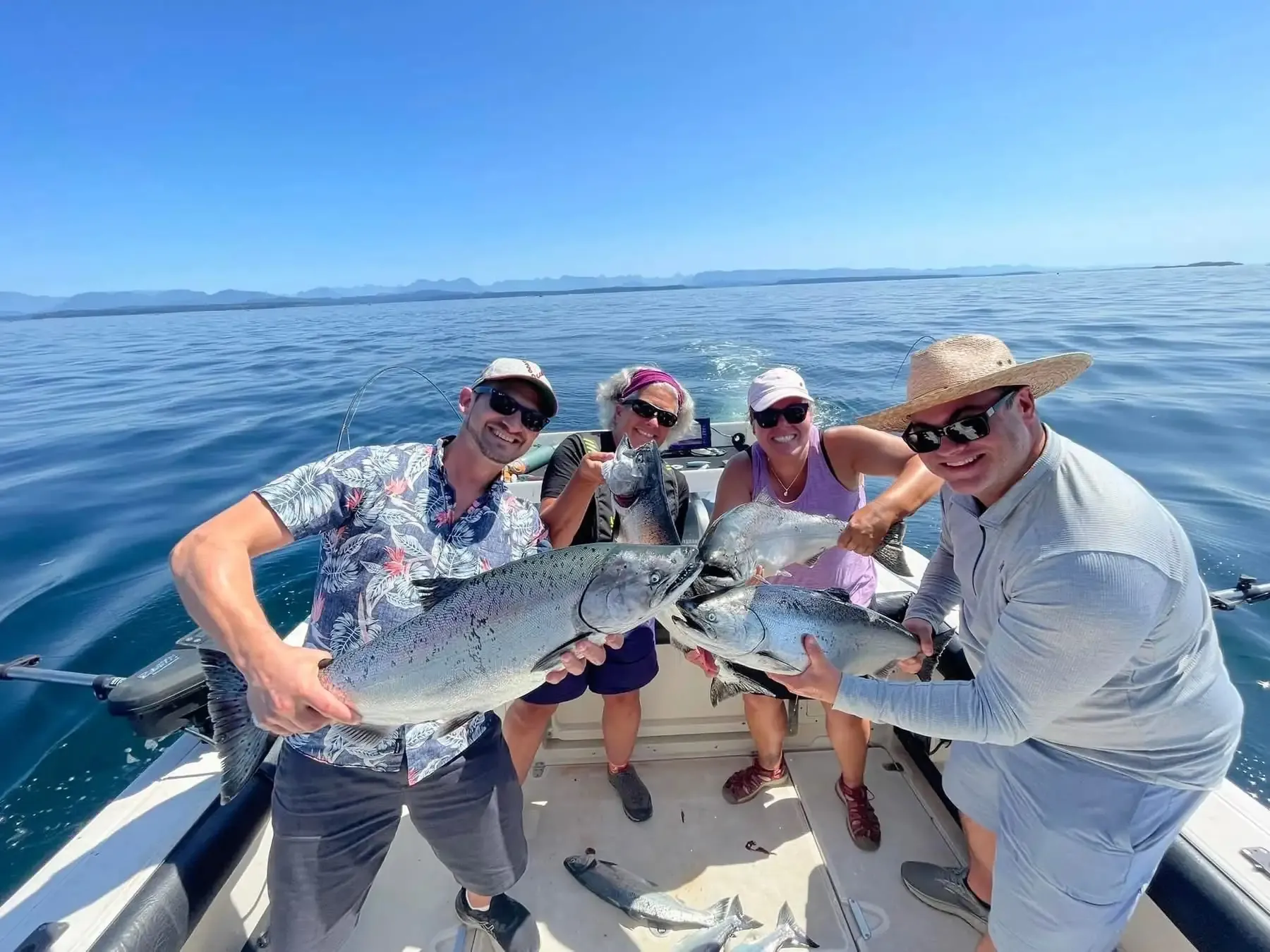
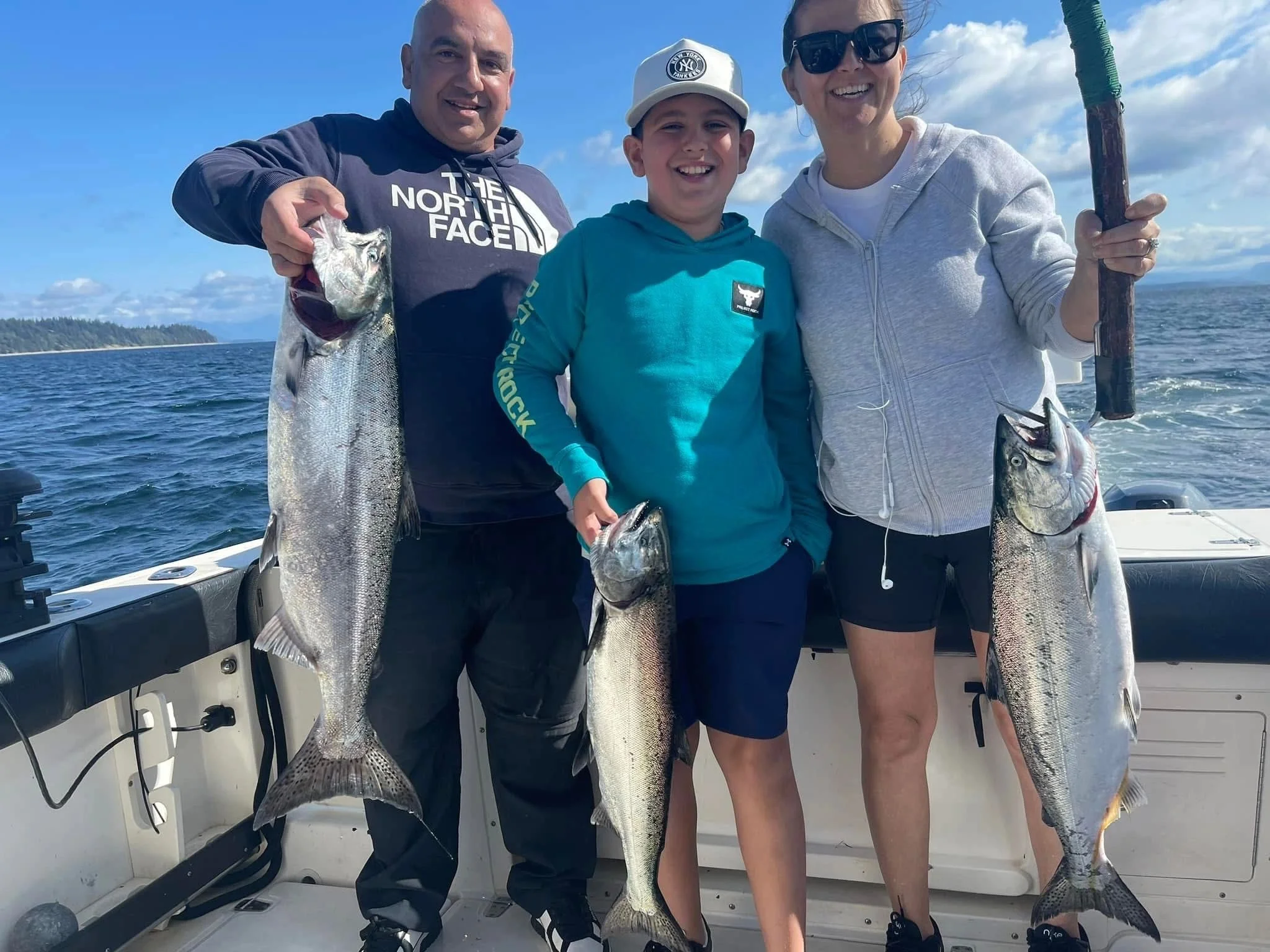
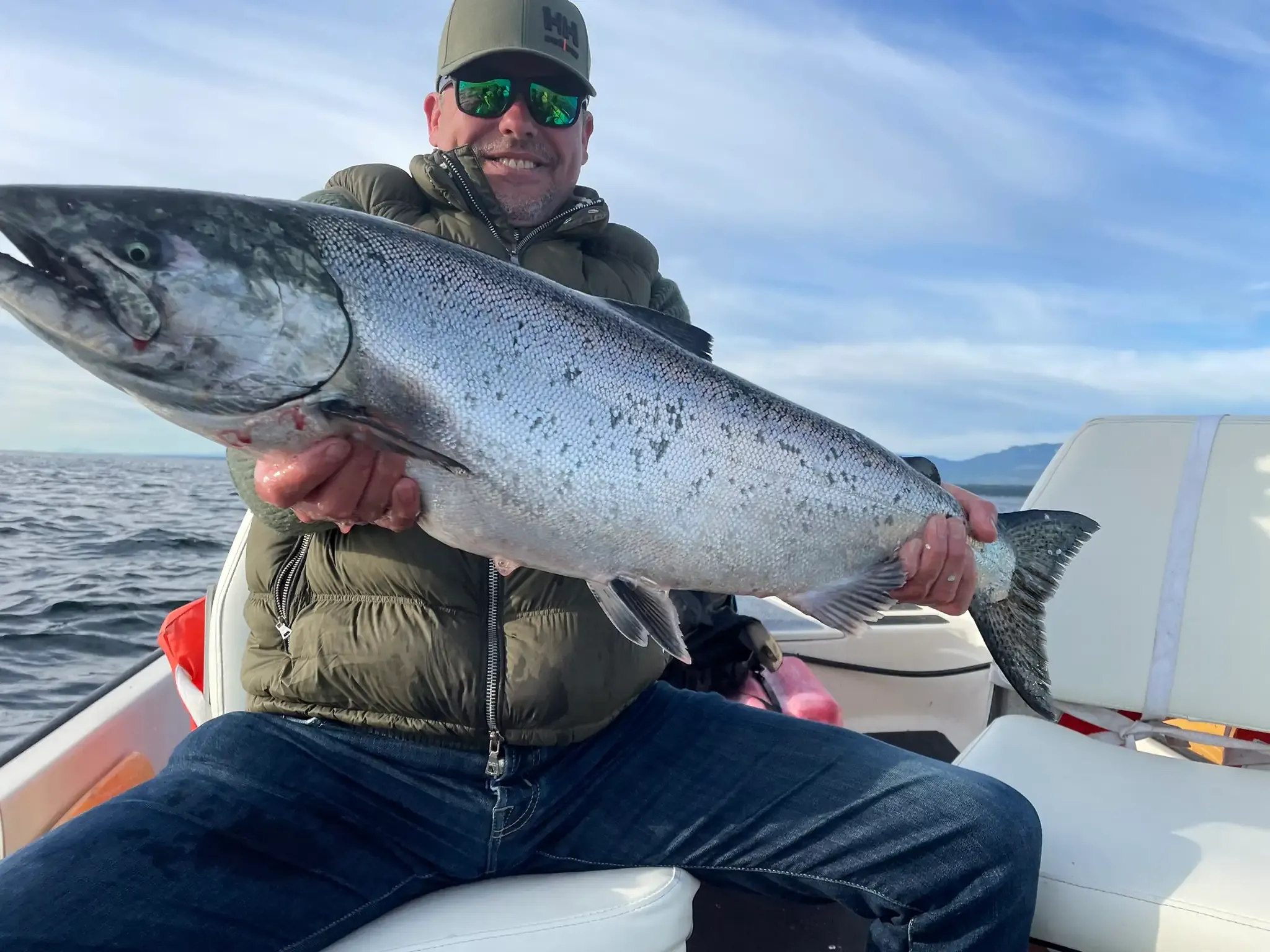
While halibut aren't our specialty, Campbell River is world-renowned for salmon fishing. Discovery Passage produces some of the largest Chinook salmon on the Pacific coast, including legendary Tyee (30+ lb Chinook).
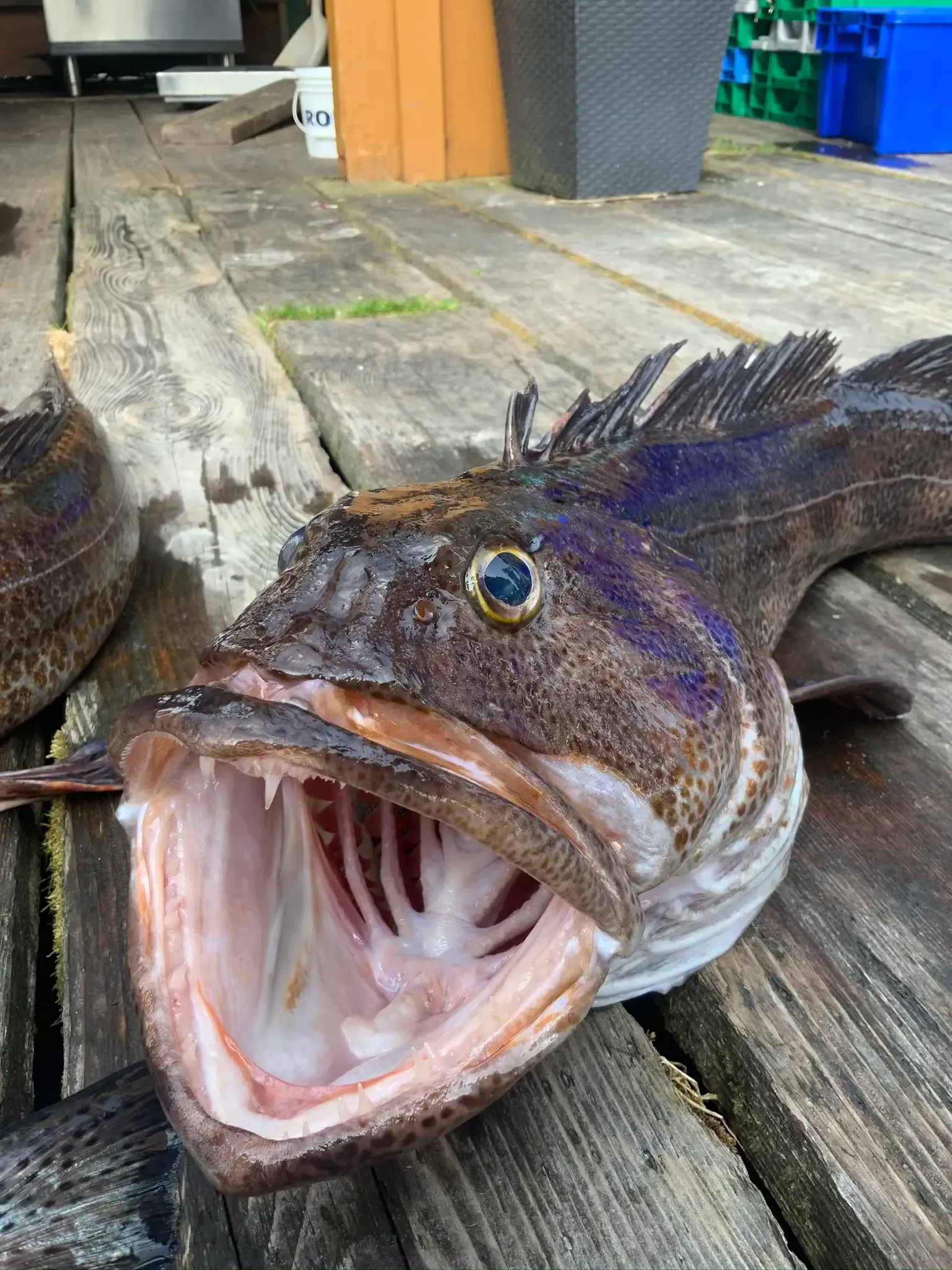
We also offer excellent bottom fishing for lingcod and rockfish. If you're visiting the Campbell River area, our charters offer an unforgettable fishing experience. We know these waters intimately and consistently put our guests on fish.
Frequently Asked Questions
Does Fishing Storie Charters offer halibut fishing trips?
No, we don't target halibut specifically. Fishing Storie Charters specializes in salmon fishing, lingcod, rockfish, and wildlife tours in Campbell River. While we offer excellent bottom fishing for lingcod and rockfish, halibut require different waters and techniques. For dedicated halibut trips, we recommend charter operators in Port Hardy or other northern Vancouver Island ports.
Where is the best halibut fishing near Campbell River?
The best halibut fishing on Vancouver Island is typically found in the waters around Port Hardy, Port McNeill, and the north end of the island. These areas have more consistent halibut populations and dedicated charter operators. Campbell River waters occasionally produce halibut, but salmon is the primary fishery here.
What is the best time of year for halibut fishing in BC?
The halibut season in BC typically runs from May through September, with peak action in June and July. However, DFO (Department of Fisheries and Oceans) sets specific openings and closures each year, so always check current regulations before planning a trip.
How big do Pacific halibut get?
Pacific halibut are the largest flatfish in the world. Average catches range from 15-40 lbs, but fish over 100 lbs are caught regularly, and the largest specimens can exceed 400 lbs. These giants require heavy tackle and specialized techniques.
What fishing does Fishing Storie Charters offer?
We offer full-day, half-day, and introductory fishing charters in Campbell River — the Salmon Capital of the World. Our specialty is targeting Chinook (King) salmon, including trophy Tyee fishing. We also catch Coho, Sockeye, Pink, and Chum salmon depending on the season, plus lingcod and rockfish on our bottom fishing trips.
Looking for Fishing in Campbell River?
While we don't offer halibut charters, we're experts at salmon, lingcod, and rockfish fishing in Campbell River. Check out our charter options below.
Questions About Fishing in Campbell River?
We're happy to help you plan your fishing trip, even if it means recommending other operators for halibut.
Contact Us