Fishing Charter Tips
Everything you need to know to prepare for your Campbell River fishing charter - from what to wear to tipping etiquette.
Your first fishing charter is an exciting adventure, but knowing what to expect makes the experience even better. Whether you're targeting trophy Tyee Chinook or exploring Campbell River's waters for the first time, proper preparation ensures a safe, comfortable, and successful day on the water. This comprehensive guide covers everything from clothing and gear to seasickness prevention and tipping customs.
Captain Jason and our team of professional guides have welcomed thousands of first-time charter guests over the years. We've compiled the most common questions and essential tips to help you arrive prepared, stay comfortable, and maximize your fishing experience in the Salmon Capital of the World.
What to Wear on a Fishing Charter
The Golden Rule: Dress in Layers
Weather on the water changes throughout the day. Early morning starts can be surprisingly cold (even in summer), while midday sun can get warm. Layering allows you to adjust your comfort level as conditions change.
Base Layer (Moisture-Wicking)
- Long-sleeve synthetic or merino wool shirt
- Avoid cotton - it traps moisture and makes you cold when wet
- Thermal underwear for spring/fall trips
Mid Layer (Insulation)
- Fleece jacket or wool sweater
- Down vest or puffy jacket for colder months
- Lightweight options for summer mornings
Outer Layer (Waterproof)
- Waterproof rain jacket with hood (essential!)
- Rain pants or waterproof bibs
- The ocean can spray, and weather changes quickly
Footwear
- Non-slip rubber boots or deck shoes with good tread
- NEVER wear open-toed shoes or smooth-soled fashion sneakers
- Boat decks get wet and slippery - safety first!
- Waterproof boots keep your feet dry and warm
Accessories
- Hat: Baseball cap or beanie for warmth + sun protection
- Sunglasses: Polarized lenses help spot fish and reduce glare
- Gloves: Fingerless fishing gloves or waterproof gloves for cold mornings
- Neck warmer/buff: Versatile for warmth and sun protection
- Sunscreen: UV rays reflect off water - you'll burn faster than expected
Our Heated Cabin Advantage
Our 27-foot Boston Whaler Conquest features a heated cabin, providing a warm refuge between fishing sessions. You can warm up, grab a snack, and stay comfortable throughout your trip - but you'll still want proper layers for time on the back deck!
What to Bring on Your Charter
✅ What We Provide
- ✓ All fishing rods, reels, and tackle
- ✓ Fresh bait and lures
- ✓ Fishing license for the day
- ✓ Life jackets and safety equipment
- ✓ Fish cleaning and bagging at the dock (processors nearby for vacuum-packing)
- ✓ Onboard WiFi (Starlink - Conquest only)
- ✓ Washroom facilities (Conquest only)
📋 What You Should Bring
- • Food and snacks (no cooking facilities)
- • Beverages (water, coffee, soft drinks)
- • Camera or smartphone for trophy photos
- • Seasickness medication (if prone)
- • Personal medications
- • Cooler with ice (if you want to take fish home same day)
- • Tip for your guide (cash or digital)
Food & Beverage Recommendations
Pack a light breakfast and lunch plus snacks. Avoid greasy, heavy foods that can trigger seasickness. Good options include:
- ✓ Sandwiches, wraps, or bagels
- ✓ Fresh fruit (apples, oranges, grapes)
- ✓ Granola bars or trail mix
- ✓ Crackers and cheese
- ✓ Water bottles (stay hydrated!)
- ✓ Coffee/tea in insulated container
Preventing Seasickness
Seasickness (motion sickness on water) affects about 1 in 3 people to some degree. The good news? It's largely preventable with proper preparation. Follow these expert tips from our guides who've helped hundreds of guests stay comfortable:
Before Your Trip (24-48 Hours)
- Get good sleep: Being well-rested significantly reduces susceptibility
- Avoid alcohol: No drinking the night before your charter
- Start medication early: Take Dramamine, Bonine, or Gravol the night before
- Stay hydrated: Drink plenty of water in the days leading up
Morning of Your Charter
- Take medication again: Second dose 30-60 minutes before departure
- Eat a light breakfast: Empty stomach = worse nausea. Avoid greasy foods.
- Good options: Toast, crackers, banana, oatmeal, ginger tea
- Avoid: Bacon, sausage, heavy cream, anything rich or acidic
On the Water
- Stay above deck: Fresh air and horizon view help tremendously
- Focus on the horizon: Helps your brain reconcile motion signals
- Avoid reading or screens: Looking down triggers nausea
- Stay busy: Actively fishing keeps your mind occupied
- Snack on crackers: Keep something light in your stomach
- Stay hydrated: Sip water regularly
- Tell your guide: We can adjust our fishing approach if needed
Alternative Remedies
- Ginger: Natural anti-nausea properties (ginger tea, candied ginger, ginger gum)
- Acupressure bands: Sea-Bands worn on wrists (some people swear by them)
- Scopolamine patches: Prescription option for severe cases (consult doctor)
- Fresh air: Deep breaths of cool ocean air
Campbell River's Protected Waters
We fish Discovery Passage and surrounding waters, which are naturally protected from heavy ocean swells. Our boats are stable platforms designed for comfortable fishing. Most guests experience little to no seasickness, especially when following preventative measures.
Tipping Your Fishing Guide
Tipping is standard practice in the charter fishing industry across North America, including Canada. Your guide works hard to ensure you have an exceptional day on the water - finding fish, rigging gear, netting your catches, providing instruction, cleaning fish, and creating memorable experiences.
Standard Tipping Rates
- Good Service: 15% of charter cost
- Great Service: 18-20% of charter cost
- Exceptional: 20%+ for outstanding experiences, trophy fish, or extra effort
When to Tip More
- You caught a trophy fish or had an exceptionally successful day
- Your guide went above and beyond with instruction or assistance
- Difficult conditions (weather, slow bite) but guide worked extra hard
- You have special requests that require extra effort
- Guide provided exceptional hospitality or teaching for kids/beginners
How to Tip
Tips are given directly to your guide at the end of the trip:
- Cash: Traditional and always appreciated (no transaction fees)
- Digital tipping: We offer a convenient digital tipping option - fishingstoriecharters.com/tip
- Timing: Tip at the end of your trip after fish cleaning/processing
Guide Economics
Professional fishing guides have significant overhead costs - boat payments, fuel, insurance, licenses, tackle replacement, maintenance, and off-season expenses. Tips represent a substantial portion of guide income and are genuinely appreciated for excellent service.
Photography & Fish Handling Tips
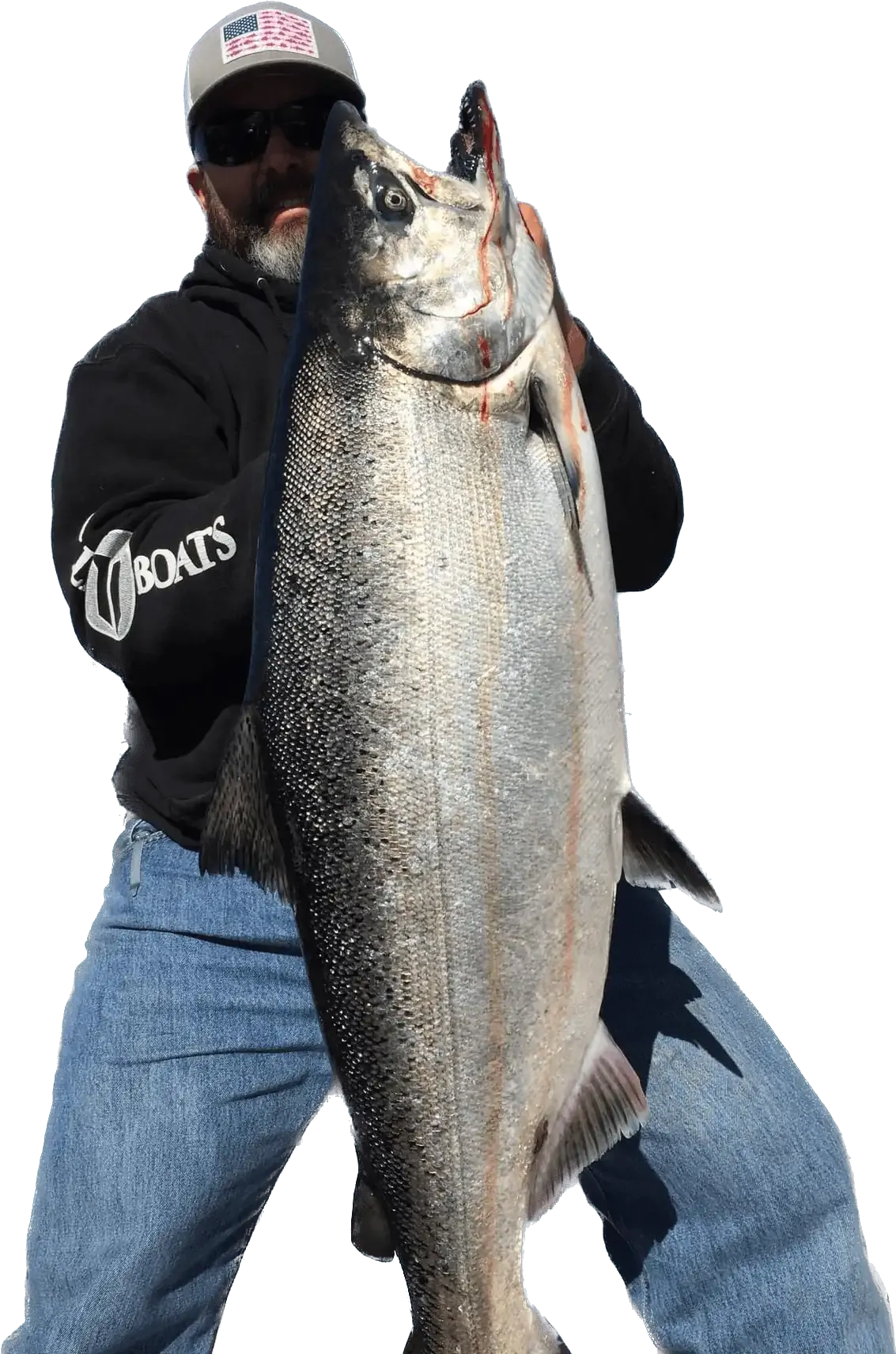
Trophy fish photos are memories that last a lifetime. Here's how to get the best shots and handle your catch properly:
Photography Tips
- Bring waterproof phone case or camera bag
- Have camera ready before fish comes aboard
- Multiple angles - close-up, full body, with scenery
- Portrait orientation shows full fish length better
- Sun behind photographer, not behind subject
- Remove sunglasses for better photos
- Your guide will help position fish and take photos
Fish Handling Basics
- Support fish horizontally with both hands
- Wet hands before touching fish (protects slime coat)
- Minimize time out of water for catch-and-release
- Hold fish firmly but gently
- Listen to guide's instructions
- Be prepared - fish are slippery and powerful!
- Your guide handles all hook removal and care
Fish Cleaning & Processing
We clean and bag your catch at the dock after your charter, at no extra charge. Here's what you need to know:
Our Fish Cleaning Service
- Expert cleaning: We clean and bag your catch at the dock, ready for your cooler
- Quick process: Usually 20-30 minutes after docking
- Filleting & vacuum-sealing: Local processors near the marina offer filleting, vacuum-sealing, flash freezing, smoking, and shipping
- Ready to travel: Processor-sealed packages go straight into your freezer or checked luggage
Taking Fish Home
- Same day: Bring a cooler with ice if leaving Campbell River immediately
- Overnight/next day: We can refrigerate your catch overnight (arrange in advance)
- Traveling far: Frozen gel packs work better than ice for long trips
- Flying home: Vacuum-packed frozen fish travels well in checked luggage with gel packs
- Shipping options: We can recommend local fish shipping services if needed
Catch Limits
All fishing is subject to Department of Fisheries and Oceans (DFO) regulations, including daily catch limits, size restrictions, and seasonal closures. Your guide ensures all fishing remains within legal limits. Current regulations are available on our fishing seasons page.
Arrival & Departure Details
When to Arrive
Plan to arrive 15-20 minutes before departure time to allow for:
- Meeting your guide and crew
- Storing gear and food on board
- Safety briefing and orientation
- Using washroom facilities before departure
- Getting settled and comfortable
Detailed directions and parking information are provided in your booking confirmation email.
After Your Charter
Allow extra time after scheduled return for:
- Fish cleaning: 20-30 minutes for processing
- Photos and stories: Time to share the experience
- Gratuity: Tipping your guide
- Unloading gear: Collecting your belongings
Total extra time: Budget an additional 45-60 minutes after scheduled return before driving home or heading to dinner reservations.
Frequently Asked Questions
Common questions about preparing for your fishing charter
What should I wear on a fishing charter in Campbell River?
Dress in layers with moisture-wicking base layers, warm mid-layers (fleece or wool), and waterproof outer gear. Even in summer, early mornings on the water can be chilly. Bring a warm jacket, rain gear, non-slip shoes, sunglasses, hat, and sunscreen. Our heated cabin provides warmth between fishing sessions.
Do I need to bring my own fishing gear and bait?
No! We provide all fishing equipment including rods, reels, tackle, bait, and terminal gear. We also include your fishing license for the day. Just bring yourself, weather-appropriate clothing, food/drinks, and your camera for trophy photos.
What should I do if I get seasick on a fishing charter?
Take preventative medication (Dramamine, Bonine, or Gravol) the night before AND morning of your trip. Eat a light breakfast, avoid alcohol the night before, get plenty of sleep, and stay hydrated. On the water, stay above deck in fresh air, focus on the horizon, and avoid reading or looking at screens. Our boats are stable and we fish protected waters, minimizing seasickness risk.
Is it customary to tip a fishing guide in Canada?
Yes, tipping is standard practice for fishing charters in Canada. The typical rate is 15-20% of the charter cost for good service, or more for exceptional experiences. Tips are usually given directly to the captain/guide at the end of the trip, either in cash or via our digital tipping system.