Booking your first fishing charter can feel intimidating. You're paying good money for an experience you've never tried, you're not sure what to expect, and you might be worried about looking foolish in front of the captain and crew. Will you get seasick? Will you know what to do? What if you don't catch anything?
I've guided over a thousand first-time anglers, from nervous eight-year-olds to skeptical executives to grandparents who never thought they'd touch a fish. Here's what I tell every beginner: fishing charters are designed for people exactly like you. No experience needed. No special skills required. Just show up ready to learn and have fun.
This guide will walk you through everything you need to know for your first charter fishing experience.
What Exactly Is a Fishing Charter?
A fishing charter is a guided fishing trip where you hire a boat, captain, and all equipment needed to fish. Think of it like hiring a ski instructor who also provides all the equipment and takes you to the best runs. You're paying for expertise, equipment, and local knowledge—everything you'd need to buy and learn on your own, compressed into a single guided experience.
What's Included
A proper fishing charter should include everything fishing-related:
- Vessel: A well-maintained boat equipped for salmon fishing
- Captain/Guide: A licensed operator with local knowledge
- All Fishing Gear: Rods, reels, downriggers, tackle, nets
- Bait and Lures: Fresh herring, anchovies, or artificial lures
- Fishing License: Your daily recreational fishing license
- Instruction: Hands-on coaching throughout the trip
- Fish Cleaning: Your catch filleted and packaged to take home
- Safety Equipment: Life jackets, first aid, marine radio, GPS
Essentially, you bring yourself and we provide everything else. Some boats also offer amenities like heated cabins, washrooms, and WiFi—our 27-foot Conquest includes all three for maximum comfort.
What's Not Included
You're responsible for:
- Transportation to the marina
- Food and beverages (we provide bottled water)
- Weather-appropriate clothing
- Gratuity for your guide (customary but not required)
- Processing/freezing your catch if you're traveling (we can recommend local processors)
Before You Book: Important Questions to Ask
Not all fishing charters are equal. Before booking, ask these questions:
How long is the trip?
Charters range from 4 hours to full-day (8+ hours). For first-timers, we usually recommend our 4-hour introductory trip or a 6-hour half-day charter. This gives you enough time to learn, catch fish, and enjoy the experience without getting exhausted.
What's the group size?
Smaller groups mean more hands-on instruction and fishing time. Our 27-foot boat accommodates up to 4 guests, while our 17-foot boats are perfect for 2 guests who want an intimate experience.
What species will we target?
In Campbell River, most charters target salmon—primarily Chinook (king) and Coho (silver). The specific species depends on the season. Ask what's currently biting so you know what to expect.
What's the cancellation policy?
Weather can change quickly on the coast. Understand the charter's cancellation and rescheduling policies before booking. Reputable operators will reschedule or refund if conditions are unsafe.
What should I bring?
Good operators provide a detailed list. If they don't volunteer this information, that's a red flag.
What to Wear and Bring
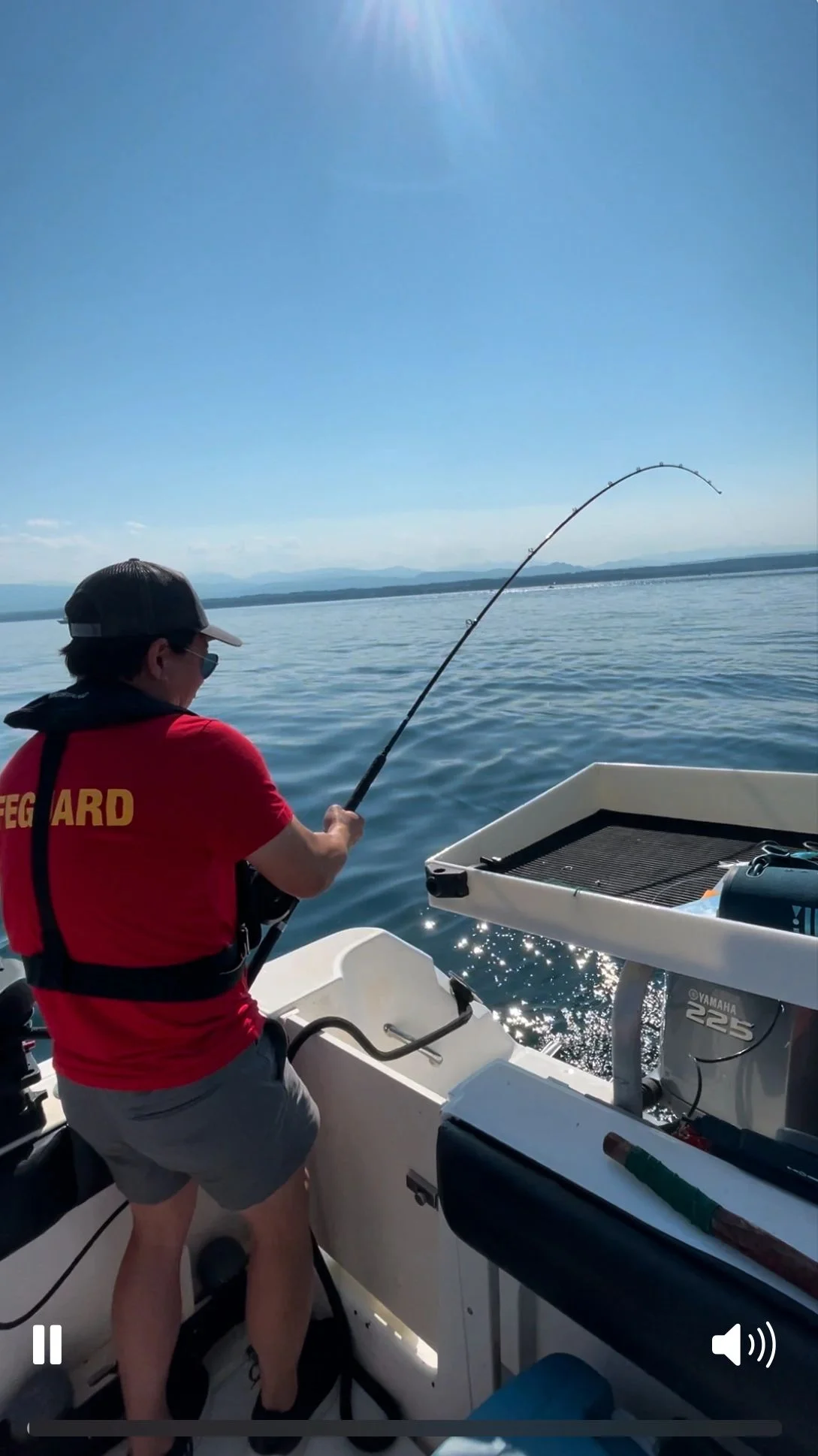
Clothing Essentials
Dressing properly makes the difference between a comfortable trip and a miserable one. Here's the strategy:
Summer Fishing (June-September)
- Base layer: Long-sleeve moisture-wicking shirt (sun protection)
- Pants: Quick-dry pants or fishing pants (jeans get heavy when wet)
- Light jacket: Windbreaker or light rain jacket
- Hat: Baseball cap or wide-brimmed sun hat
- Sunglasses: Polarized lenses reduce glare and help you see fish
- Shoes: Non-marking boat shoes or sneakers with good grip (NOT flip-flops)
Spring/Fall Fishing (April-May, October-November)
- Base layer: Long underwear top and bottom
- Mid layer: Fleece or wool sweater
- Outer layer: Waterproof jacket and pants
- Hat: Warm beanie that covers ears
- Gloves: Waterproof fishing gloves or fingerless gloves
- Shoes: Waterproof boots with non-slip soles
Winter Fishing (December-March)
- Multiple layers: Thermal base layer + fleece + insulated jacket
- Waterproof outer layer: Quality rain jacket and pants
- Warm hat and gloves: Essential for comfort
- Warm boots: Insulated, waterproof, non-slip
The Layering Philosophy
Weather on the water changes constantly. You might leave the dock cold and foggy, fish in brilliant sunshine by mid-morning, then hit afternoon winds. Layers let you adjust to changing conditions. It's always easier to remove a layer than wish you'd brought one.
What to Bring
- Sunscreen: Even cloudy days have UV exposure on the water
- Sunglasses: Polarized lenses are worth the investment
- Camera/Phone: You'll want photos with your catch (bring a waterproof case or bag)
- Snacks and Drinks: Light snacks, water, sports drinks (no alcohol during fishing)
- Medications: Seasickness pills, prescription meds, any emergency medications
- Cooler: If you want to take fish home same-day (we provide ice)
- Small backpack: To keep personal items organized and dry
What NOT to Bring
- Banana products: Old fishing superstition, but respect it—some captains take it seriously!
- Expensive jewelry: Leave it at home to avoid losing it overboard
- Hard-sided luggage: Use soft bags that fit in boat storage areas
- Strong perfume/cologne: Some believe it spooks fish (and it definitely bothers other anglers in close quarters)
Dealing with Seasickness
This is the #1 concern for first-time charter clients. The good news: Campbell River fishing happens in relatively protected waters, and true seasickness is rare. The bad news: even mild queasiness can ruin your trip if you're unprepared.
Prevention Strategies
The Night Before
- Get a full night's sleep—fatigue increases susceptibility
- Avoid alcohol or limit it to one drink with dinner
- Eat a normal dinner, not heavy or spicy foods
- Take your first dose of seasickness medication before bed if using multi-dose products
The Morning Of
- Eat a light breakfast—empty stomachs and overfull stomachs both increase nausea
- Good choices: toast, crackers, bananas, granola bars
- Avoid: greasy foods, dairy, orange juice
- Take seasickness medication 30-60 minutes before departure
- Stay hydrated but don't chug water
On the Boat
- Watch the horizon, not the boat deck or cabin interior
- Stay in fresh air—avoid going below deck if you feel queasy
- Stay engaged with fishing—distraction helps significantly
- Avoid phone screens and reading
- Sip ginger ale or eat crackers if feeling off
Medication Options
Over-the-counter: Dramamine, Bonine, or generic dimenhydrinate work for most people. Take as directed, usually 30-60 minutes before departure. Be aware they can cause drowsiness.
Natural remedies: Ginger capsules, ginger candies, or Sea-Bands (acupressure wristbands) work for some people with mild sensitivity.
Prescription: Scopolamine patches (applied behind the ear) are very effective for people with serious motion sensitivity. Ask your doctor if over-the-counter options haven't worked in the past.
If You Do Get Sick
Tell your captain immediately. We've seen it all and won't judge you. We can:
- Move to calmer water
- Adjust boat speed and direction
- Get you fresh air and a spot with minimal motion
- Return to dock if necessary (rare but available)
Most people who feel queasy at the start feel fine after 20-30 minutes once they adjust to boat motion.
What Happens on Charter Day
Arrival and Check-In (15 minutes before departure)
Arrive at the marina 10-15 minutes before your scheduled departure. This gives you time to use the restroom, load your gear, and meet your captain without rushing.
We're located at Discovery Harbour Marina, K Dock, 1374 Island Highway, Campbell River. Your confirmation email will include specific dock and boat information.
Safety Briefing (5-10 minutes)
Before leaving the dock, your captain will provide a safety briefing covering:
- Life jacket locations and how to wear them
- Emergency procedures and marine radio
- Boat rules (where to sit, where to walk, what not to touch)
- Bathroom facilities
- What to do if someone falls overboard
This sounds serious (and it is), but takes just a few minutes. Pay attention—it's important but won't consume your trip.
The Ride Out (15-30 minutes)
We'll cruise from the marina to our first fishing spot. This is a great time to enjoy the scenery, watch for wildlife, and ask your captain questions about the area. We're usually fishing within 15-30 minutes of leaving the dock—Campbell River's productivity is one of its greatest assets.
Rigging and Instruction (10-15 minutes)
Once we reach our spot, your captain will rig rods and explain the technique we're using. For salmon fishing in Campbell River, this is almost always trolling with downriggers.

Understanding Downrigger Trolling
Don't worry—it sounds complicated but it's actually very simple:
- Your bait (herring or lure) is attached to your fishing line
- Your line is clipped to a heavy weight (the downrigger ball) that takes it deep
- The boat slowly trolls through productive water
- When a salmon hits, the line pops free from the downrigger
- You reel in the fish with just your rod and line—no weight attached
Your captain handles all the technical stuff (setting depth, speed, lure selection). Your job is simple: when the rod tip bends and stays bent, grab the rod and start reeling. We'll coach you through everything else.
Fishing Time
This is what you came for. Rods are in the water, boat is moving, and we're hunting salmon. Here's what to expect:
The Waiting
Fishing involves periods of waiting. Sometimes bites come every few minutes. Sometimes we go 30-45 minutes between strikes. This is normal. Use the time to enjoy scenery, watch for wildlife, talk with your group, or ask your captain questions. We're always happy to share fishing stories and local knowledge.
The Strike
When a salmon hits, the rod will bend sharply and the reel might start screaming as line peels off. This is exciting—take a breath and listen to your captain's instructions.
The Fight
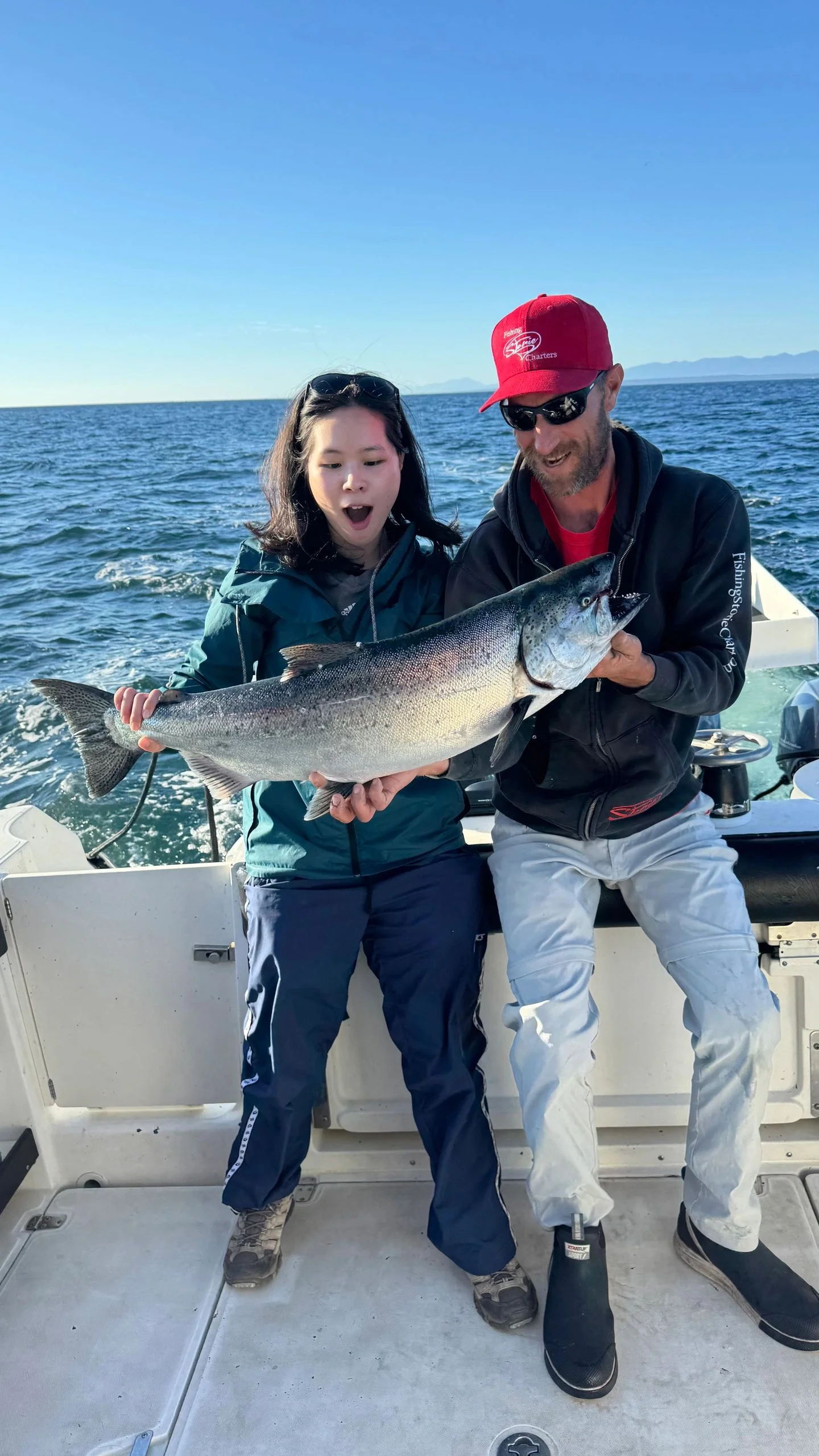
Your captain will tell you when to reel and when to let the fish run. Salmon are powerful—a 20-pound Chinook will test your arms. Keep steady pressure, reel when you can, and don't try to horse the fish in too quickly. This is the fun part—enjoy it!
Chinook salmon fight deep with powerful runs. Coho salmon jump and run on the surface. Either way, it's an adrenaline rush.
The Landing
As the fish nears the boat, your captain will net it. Do NOT try to grab the line or lift the fish yourself—this is how fish are lost. Keep reeling until your captain says to stop, then watch them net your catch.
The Photo
We'll take multiple photos of you with your fish. Don't be shy—you earned this! We'll get your phone/camera and shoot from several angles. This is your trophy photo, so make sure you're happy with it.
Catch and Release or Keep?
You can choose to keep fish (within legal limits) or release them. We'll clean and fillet anything you keep at no extra charge. Many first-timers keep their first fish and release subsequent catches—it's entirely up to you.
Multiple Hookups
If multiple rods go off simultaneously (common with active fish), your captain will assign rods and coach each angler. Everyone gets chances—we rotate rods so each person has equal opportunity.
The Return Trip
As the trip time nears its end, we'll reel in the remaining rods and head back to the marina. This is another chance to relax, spot wildlife, and ask any final questions.
After the Trip
Fish Cleaning
While you're packing up your personal gear, your captain will fillet your salmon. We'll package it in bags with ice for transport. If you're flying home or need longer-term storage, we can recommend local processors who vacuum-seal and freeze fish.
Tipping Your Guide
Gratuities are customary in the charter fishing industry, similar to restaurants. Standard tipping ranges from 15-20% based on service quality:
- Standard service (fish caught, professional captain): 15%
- Excellent service (limit catches, exceptional instruction): 20%
- Above and beyond (extra effort, difficult conditions): 20%+
Tips can be cash or added to your credit card payment. If you had a great experience, tips are appreciated but never expected or required.
Common First-Timer Worries (And Why They're Not a Problem)
"I've never fished before. Will I look stupid?"
We guide complete beginners daily. Your captain expects zero experience and will provide patient, clear instruction. No question is too basic. We'd rather you ask than stay confused.
"What if I don't catch anything?"
While we can never guarantee catches, our success rate during peak season exceeds 90%. Even during slower periods, experienced guides put clients on fish far more consistently than independent anglers. If the bite is truly dead, we'll adjust tactics, move locations, and try different approaches.
Remember: they're called "fishing charters," not "catching charters." But we work very hard to make sure you catch!
"What if the fish is too strong and I can't reel it in?"
Your captain will adjust the reel's drag to match your strength. If needed, we can help you or even take over entirely. Landing fish is supposed to be fun, not torturous. We match the tackle to the angler.
"I'm not in great physical shape."
Charter fishing is accessible to people of widely varying fitness levels. You'll be sitting or standing in place while reeling—it's not intense cardio. We've successfully guided anglers from 6 to 86 years old.
If you have specific physical limitations or concerns, tell us when booking so we can ensure the boat and trip type match your capabilities.
"What if I get bored?"
The combination of active fishing, wildlife watching, beautiful scenery, and conversation keeps most people engaged. And honestly, the periods between bites give you time to appreciate where you are—on a boat in one of BC's most beautiful marine environments.
Tips for Maximum Enjoyment
- Ask questions: Your captain has decades of knowledge and loves sharing it
- Stay engaged: Watch your rod tips, pay attention when we change tactics, notice wildlife
- Bring a friend: Sharing the experience makes it more memorable
- Take photos: You'll want to remember this
- Be patient: Fish come and go in waves—quiet periods don't mean the trip is over
- Relax and have fun: This is recreation, not work
What to Do with Your Catch
You caught salmon—now what?
Same-Day Travel
We'll clean and ice your fish immediately. It will keep in a cooler with ice for 6-8 hours of travel time. If you're driving home within this window, you're all set.
Extended Storage
For longer travel or if you want to freeze fish for later, we can recommend local processors. They'll vacuum-seal and freeze your catch. Most can also ship frozen fish to your home address.
Cooking Your Salmon
Fresh BC salmon is spectacular. Simple preparations work best:
- Grilling: Brush with olive oil, season with salt/pepper/lemon, grill skin-side down
- Pan-searing: Crispy skin, medium-rare center
- Cedar plank: Traditional Pacific Northwest method
- Baking: 375°F for 12-15 minutes per inch of thickness
Don't overcomplicate it—quality salmon needs little help to taste amazing.
Ready to Book Your First Charter?
Your first fishing charter is an experience you'll remember for years. There's something primal and thrilling about hooking into a powerful salmon, feeling it fight, and finally bringing it to the net. The scenery, the wildlife, the fresh air, and the satisfaction of catching your own food all combine into something special.
As a first-timer, I'd recommend our 4-hour introductory trip. It's specifically designed for beginners and families, giving you enough time to learn and catch fish without committing to a full day. If you're more ambitious or have some fishing experience, our 6-hour half-day charter offers additional fishing time while remaining comfortable for newcomers.
We'd be honored to be your guides for this experience. Our captains genuinely love introducing people to fishing—it's one of the most rewarding parts of this job.
Visit our booking page to check availability and rates, or call 250-202-8324 with any questions. We're here to help make your first charter fishing experience excellent.
Tight lines and we'll see you on the water!
Captain Jason Storie
Fishing Storie Charters
Discovery Harbour Marina, Campbell River, BC
jason@fishingstoriecharters.com