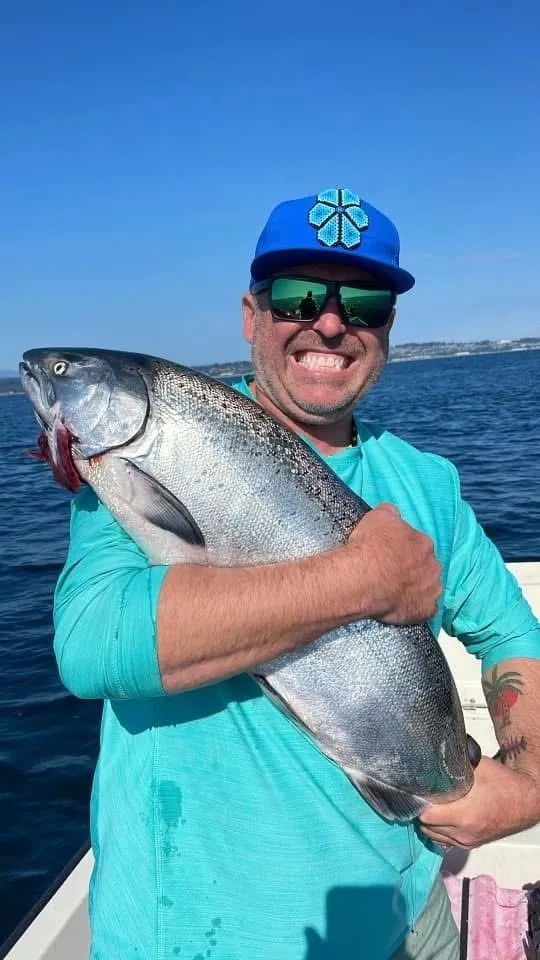
Ask any angler when the best time to fish Campbell River is, and you'll get a dozen different answers. That's because the "best" time depends entirely on what you're targeting and what kind of experience you're after. Do you want fast action with smaller fish, or are you willing to wait for trophy Chinook? Prefer warm sunny days or don't mind fishing in the rain? Chasing Coho acrobatics or Chinook power?
After 18+ years of guiding these waters year-round, I've come to appreciate that every season offers something unique. This month-by-month guide will help you pick the perfect time for your Campbell River fishing adventure.
Campbell River Fishing Seasons at a Glance
| Month | Primary Species | Fishing Quality | Weather | Crowds | Best For |
|---|---|---|---|---|---|
| January | Winter Chinook | Good | Cold, Wet | Very Low | Trophy hunters |
| February | Winter Chinook | Good | Cold, Wet | Very Low | Trophy hunters |
| March | Winter Chinook | Good-Excellent | Improving | Low | Trophy hunters |
| April | Lingcod, Rockfish | Fair | Variable | Low | Bottom fishing |
| May | Chinook (early) | Good | Warming | Moderate | Avoiding crowds |
| June | Chinook | Excellent | Sunny | Moderate | Quality + weather |
| July | Chinook, Coho, Pink* | Excellent | Warmest | High | Families, beginners |
| August | Chinook, Coho, Pink* | Excellent | Warm | High | Mixed species |
| September | Chinook, Coho | Excellent | Cooling | Moderate | Coho action |
| October | Coho | Good-Excellent | Cool, Variable | Low | Coho specialists |
| November | Winter Chinook | Fair-Good | Cold, Wet | Very Low | Off-season fishing |
| December | Winter Chinook | Good | Cold, Wet | Very Low | Winter warriors |
*Pink salmon are abundant only in odd-numbered years (2025, 2027, 2029, etc.)
Winter Fishing: January - March
What's Biting
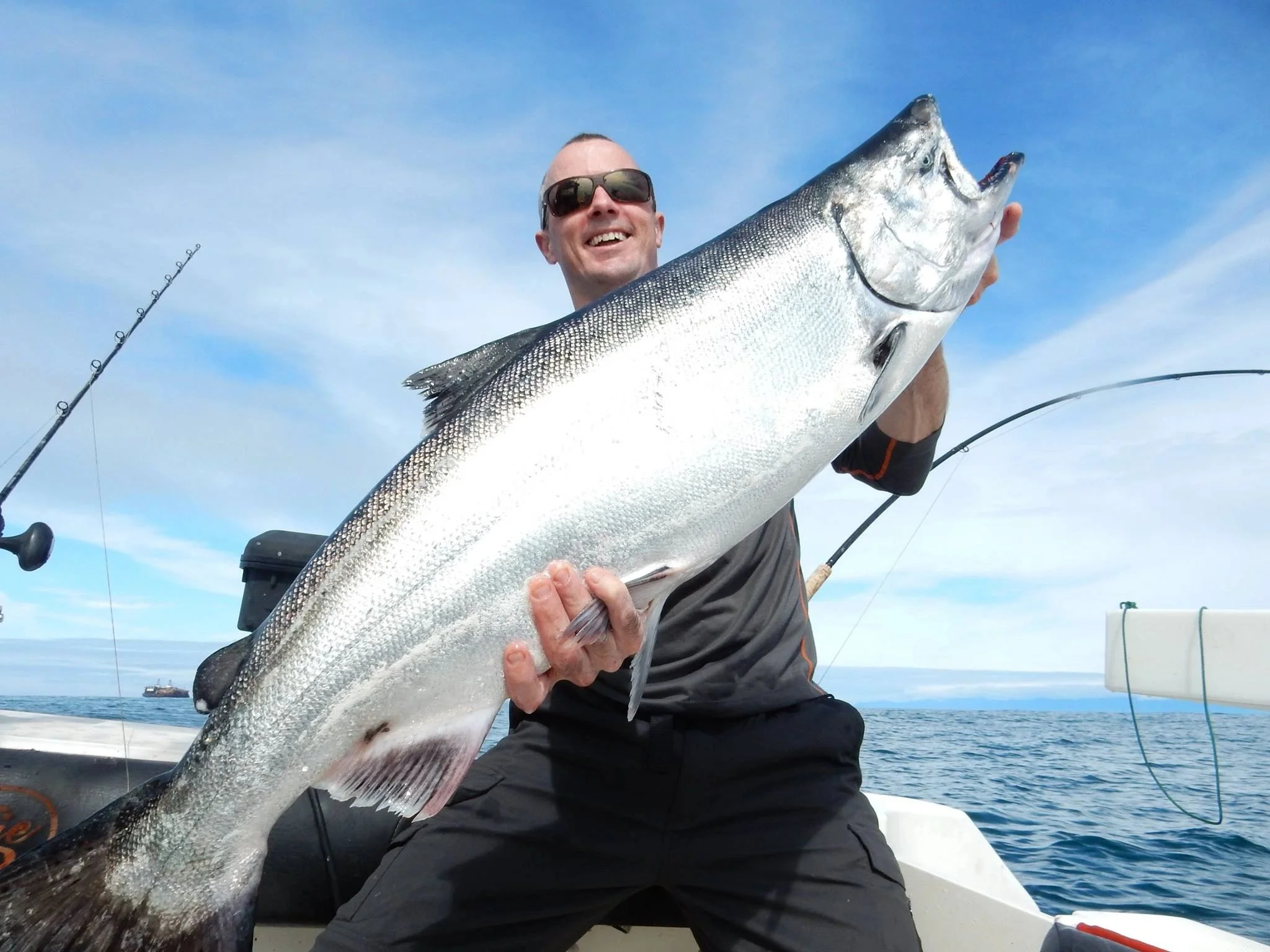
Winter Chinook salmon are the stars of this period. These are mature fish ranging from 15-35 pounds, with legitimate trophy potential (40+ pounds) throughout the season. Unlike summer Chinook that are actively feeding and migrating, winter fish are resident Chinook that have been feeding in local waters for months. They're well-fed, muscular, and fight like freight trains.
Fishing Conditions
Water temperatures sit between 45-48°F, which slows fish metabolism and changes their behavior. We fish slower, use larger bait, and focus on quality over quantity. On a good winter day, landing 2-3 Chinook represents excellent fishing. But those fish will average significantly larger than summer catches.
The bite is often concentrated around tide changes, particularly the hour before and after peak current flow. This makes timing crucial—we're not out all day grinding; we're targeting specific windows when fish are most active.
Weather Reality
Let's be honest: winter fishing in Campbell River means cold, often wet conditions. Air temperatures range from 35-45°F, and rain is common. However, winter also brings some of the calmest water conditions of the year. Without summer winds, Discovery Passage can be glass-smooth even in January.
Our 27-foot Conquest with its heated cabin makes winter fishing far more comfortable than you might expect. Coffee, layered clothing, and a positive attitude handle the rest.
Crowd Levels
You'll have the water largely to yourself. Winter fishing attracts serious anglers, not casual tourists. If you value solitude and don't mind weather, winter offers premium fishing without the summer crowds.
Best Months: February and March
While all three months fish well, late February and March tend to be most productive. Fish have settled into winter patterns, days are getting longer, and we occasionally see the first hints of spring weather. March also marks the transition period when early spring Chinook start appearing alongside resident winter fish.
Spring Transition: April
The Shoulder Season
April is Campbell River's quietest month for salmon fishing. Winter Chinook have mostly departed, and summer runs haven't yet arrived. Water temperatures are rising from winter lows but haven't reached summer levels. It's a true transition period.
Alternative Opportunities
This is when we shift focus to bottom fishing. Lingcod fishing opens in April, and these aggressive predators provide excellent sport. Growing to 50+ pounds, lingcod hit hard and fight dirty. Rockfish are also abundant, with multiple species available.
April is also prime time for wildlife viewing. Grey whales migrate north through Georgia Strait, and our resident wildlife (eagles, seals, sea lions) remain active. If you're visiting Campbell River in April and want to get on the water, consider combining light fishing with a wildlife viewing tour.
Spring Salmon Fishing: May
The Season Begins
May marks the return of migratory Chinook salmon to Campbell River. Early in the month, catches are sporadic as the first fish arrive. By late May, numbers build significantly and we're back to consistent salmon action.
Fish Size and Behavior
Early season Chinook average 15-20 pounds—smaller than peak summer fish but still providing excellent sport. However, trophy fish are always possible. Some of the largest Chinook of the year are caught in May.
These fish are aggressive and feed actively. They'll hit trolled herring, anchovies, and artificial lures. The bite often continues throughout the day rather than being concentrated around tide changes.
Weather Improvements
May brings noticeably better weather than winter months. Air temperatures climb into the 50s and low 60s, and sunny days become more common. We're not yet into peak summer warmth, but you'll need sunscreen more than rain gear on many trips.
Strategic Value
May offers a sweet spot for anglers who want good fishing without summer crowds or summer prices. Charter availability is better, accommodations are easier to find, and you'll have more water to yourself. If your schedule is flexible, consider May for excellent value.
Early Summer Excellence: June
Fishing Hits Its Stride
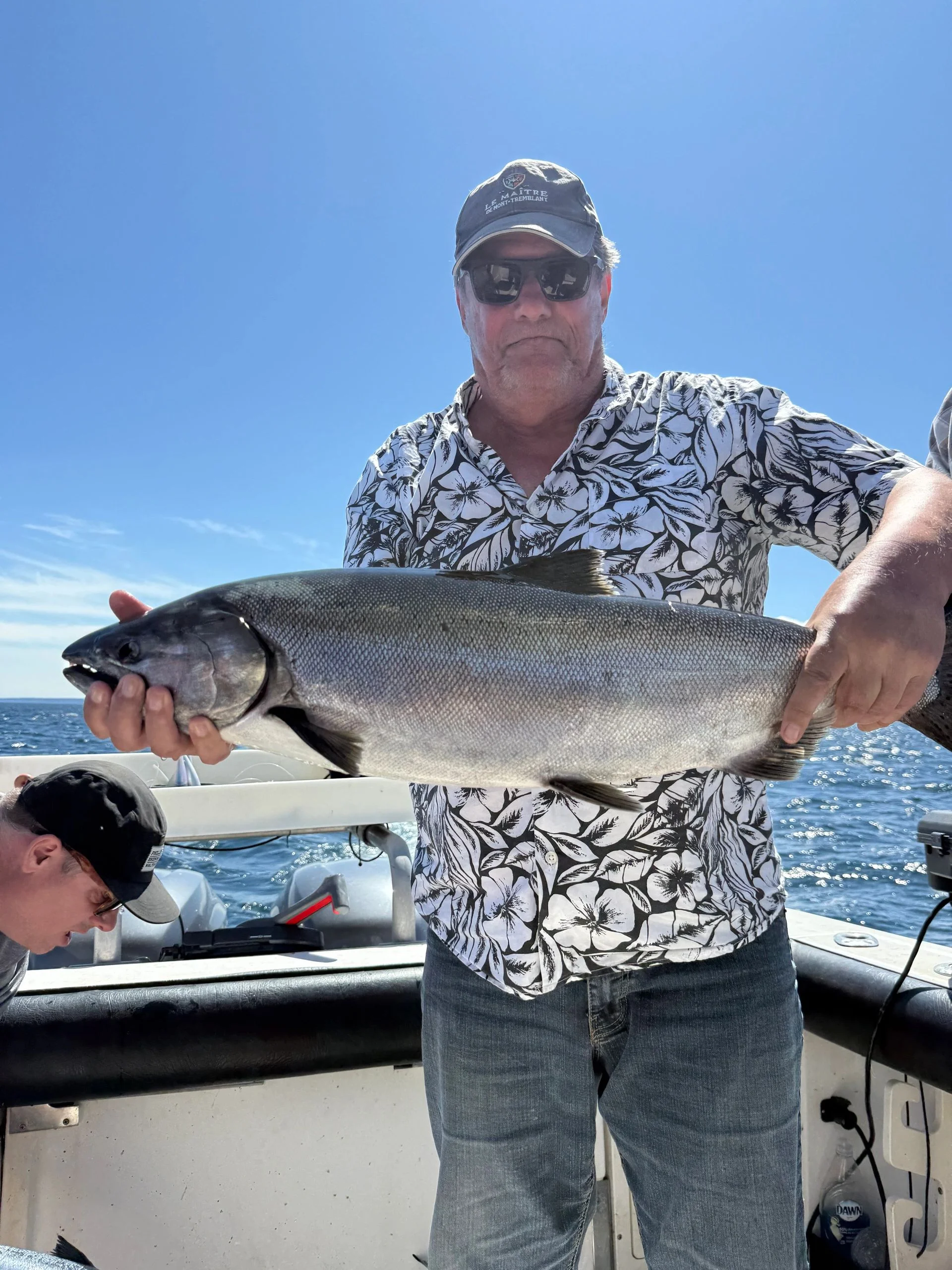
June is when Campbell River salmon fishing truly hits its stride. Chinook salmon are present in strong numbers, averaging 15-25 pounds with regular catches in the 30+ pound range. Water temperatures are ideal (52-56°F), baitfish are abundant, and salmon are feeding aggressively.
Ideal Weather
June offers Campbell River's best combination of fishing quality and weather. Days are long (sunrise around 5:00 AM, sunset after 9:00 PM), temperatures are comfortable (60-70°F), and precipitation drops significantly. It's t-shirt and sunglasses fishing most days.
The extended daylight also means flexible departure times. While we still recommend early morning starts for best action, June fishing remains productive through midday.
Not Yet Peak Crowds
June sees moderate fishing pressure—busier than spring but not yet the summer rush. Families with school-age kids haven't arrived in force, so boats and accommodations remain available without advance booking battles.
Why June Might Be THE Month
If I had to pick one month to introduce someone to Campbell River fishing, it would be June. Excellent catch rates, beautiful weather, manageable crowds, and lower prices than July-August make it hard to beat. This is my personal favorite month on the water.
Peak Season: July and August
Maximum Action
July and August represent peak salmon season in Campbell River. Chinook numbers remain strong, Coho salmon arrive in increasing numbers, and during odd-numbered years (2025, 2027, etc.), Pink salmon flood the area in massive schools.
Mixed species catches are common. It's entirely normal to catch Chinook, Coho, and Pink salmon on the same trip. This variety makes peak season particularly exciting for first-timers and families—someone is almost always hooked up.
Pink Salmon Phenomenon
In odd-numbered years, Pink salmon create some of the fastest fishing of the year. These smaller salmon (3-5 pounds) run in enormous numbers from mid-July through August. While they lack the size of Chinook or the fight of Coho, they're aggressive, plentiful, and perfect for kids or beginning anglers. Landing 20+ fish on a half-day trip is realistic during the Pink run.
Peak Weather
July and August offer the warmest, sunniest weather of the year. Air temperatures regularly reach the mid-70s, water temperatures hit their annual high (58-62°F), and rain is infrequent. This is shorts and t-shirt fishing.
The comfortable conditions make peak season ideal for families with young children, elderly anglers, or anyone who prefers warm weather fishing.
Crowd Reality
Peak season means peak crowds. Charter boats are heavily booked (often weeks in advance), the marina is busy, and you'll share the water with numerous other boats. This is the price of fishing during prime time.
However, Discovery Passage is large enough that crowding rarely affects fishing quality. Our local knowledge allows us to find productive water even when popular spots are busy.
Perfect for First-Timers
If you've never fished Campbell River or are bringing family members new to fishing, July and August offer the highest probability of success. Active fish, comfortable conditions, and long days all stack the odds in your favor. Check out our introductory trip designed specifically for beginners.
Fall Coho Season: September and October
Coho Take Center Stage
As Chinook numbers decline in September, Coho salmon reach peak abundance. These silver bullets average 8-12 pounds and provide some of the most exciting fishing of the year. Coho are aggressive, acrobatic, and absolutely explosive on the surface.
The transition from Chinook-focused fishing to Coho-focused fishing happens gradually through September. Early in the month, we're still catching both species in good numbers. By October, it's primarily a Coho show.
Why Coho Are Special
Coho fight differently than Chinook. While Chinook dive deep and use brute strength, Coho make blistering surface runs and often jump repeatedly. Pound for pound, Coho are the hardest-fighting salmon species—a 10-pound Coho will give you a battle that rivals a 20-pound Chinook.
They're also spectacular table fare. Coho have firm, flavorful flesh that many anglers prefer to Chinook.
Weather Becomes Variable
Fall weather in Campbell River is less predictable than summer. You might enjoy 70-degree sunshine one day and 55-degree drizzle the next. Temperature swings are common as Pacific weather systems move through.
That said, September often delivers "second summer" conditions with beautiful weather and comfortable temperatures. October is cooler and wetter but still very fishable with proper clothing.
Fewer Crowds, Lower Prices
As kids return to school and summer vacations end, fishing pressure drops significantly. Charter availability improves, accommodation rates decrease, and you'll have more water to yourself.
If you're an experienced angler who specifically wants to target Coho, September and October offer premium fishing without summer crowds. This is when serious Coho specialists visit Campbell River.
Late Fall Transition: November
Between Seasons
November represents the transition from fall Coho fishing to winter Chinook fishing. Early in the month, Coho action continues but declines as fish move into spawning rivers. Late November sees the first winter Chinook showing up in consistent numbers.
Weather Reality
November is Campbell River's wettest month. Rain is frequent, temperatures drop into the 40s, and daylight hours shorten significantly. This is true Pacific Northwest weather—dress for it or skip this month.
Light Fishing Pressure
November sees the year's lowest charter activity. If you don't mind weather and value having the water to yourself, it offers uncrowded fishing and flexible scheduling.
Early Winter: December
Winter Pattern Established
By December, winter Chinook fishing has settled into consistent patterns. Fish are present in good numbers, and we've dialed in the techniques and locations that produce. While slower than summer fishing, December offers legitimate trophy potential and quality over quantity.
Holiday Season Fishing
December's shortened days and cold weather are offset by the holiday season's unique appeal. Visiting family? A morning fishing trip makes an excellent activity for out-of-town guests or a way to escape crowded houses.
Year-End Opportunities
December also represents the end of license years for some anglers, creating motivation to get on the water before the calendar flips. Our most dedicated clients often book December trips to cap off their fishing year.
How to Choose Your Perfect Time
Use this decision framework to pick your ideal Campbell River fishing window:
You Want Maximum Fish Counts
Choose: July-August (odd years for Pink salmon)
Peak season offers the most fish per trip, the greatest species variety, and the highest probability of constant action.
You Want Trophy Potential
Choose: January-March or June
Winter fishing targets mature Chinook with the highest average size. June also produces numerous trophy-class fish as summer Chinook arrive.
You Want Best Weather
Choose: July-August
Peak summer offers the warmest temperatures, most sunshine, and most comfortable conditions.
You Want to Avoid Crowds
Choose: May or September
Spring and fall shoulder seasons provide excellent fishing with significantly lighter boat traffic and easier charter booking.
You Want Best Value
Choose: May or October
Shoulder seasons often feature special pricing, better accommodation rates, and easier availability while still offering strong fishing.
You're a First-Timer
Choose: June, July, or August
Peak and near-peak periods offer the best combination of catch rates, weather, and comfortable conditions for learning. Use our trip planner to find the perfect match.
You're an Experienced Angler
Choose: Based on target species
Coho specialists should target September-October. Trophy Chinook hunters should fish winter or early summer. Species variety? July-August.
Booking Around Seasons
Understanding seasonal patterns helps you plan better fishing trips:
Peak Season Booking (July-August)
Book 3-4 weeks in advance minimum. Popular dates (weekends, holidays) often fill up 6-8 weeks ahead. If you have fixed travel dates during peak season, book your charter before booking accommodations.
Shoulder Season Booking (May-June, September-October)
Two weeks advance notice is usually sufficient. Weekend dates may require more lead time, but midweek trips can often be booked with just a few days' notice.
Winter Booking (November-March)
Winter charters can often be booked with very short notice—even day-of in some cases. However, if you're planning a specific trip, we still appreciate advance booking to ensure captain availability.
Making the Most of Your Chosen Season
Regardless of when you fish, these strategies maximize success:
- Fish multiple days if possible: Two half-day trips beat one full-day trip for overall experience and catch potential
- Be flexible with departure times: We adjust launch times based on tides and conditions—trust your captain's recommendation
- Dress for conditions: Check our detailed salmon fishing guide for seasonal clothing recommendations
- Ask about current patterns: Conditions change weekly—your captain will have up-to-date information on what's working
The Bottom Line
Campbell River offers productive salmon fishing 10+ months per year. The "best" time is whichever month aligns with your goals, schedule, and preferences. Want comfortable conditions and high catch rates? Fish summer. Chasing trophies and don't mind weather? Fish winter. Looking for value and lighter crowds? Hit the shoulder seasons.
What matters most isn't finding the theoretical "perfect" month—it's getting on the water with experienced guides who know how to find fish in current conditions. We've put clients onto salmon every single month of the year.
Ready to book your Campbell River fishing adventure? Check our current rates and availability, or call 250-202-8324 to discuss which season best matches your group. We'll help you pick the perfect window for your fishing goals.
See you on the water!
Captain Jason Storie
Fishing Storie Charters
Discovery Harbour Marina, Campbell River, BC
jason@fishingstoriecharters.com